A Day of Black and White Street Photography
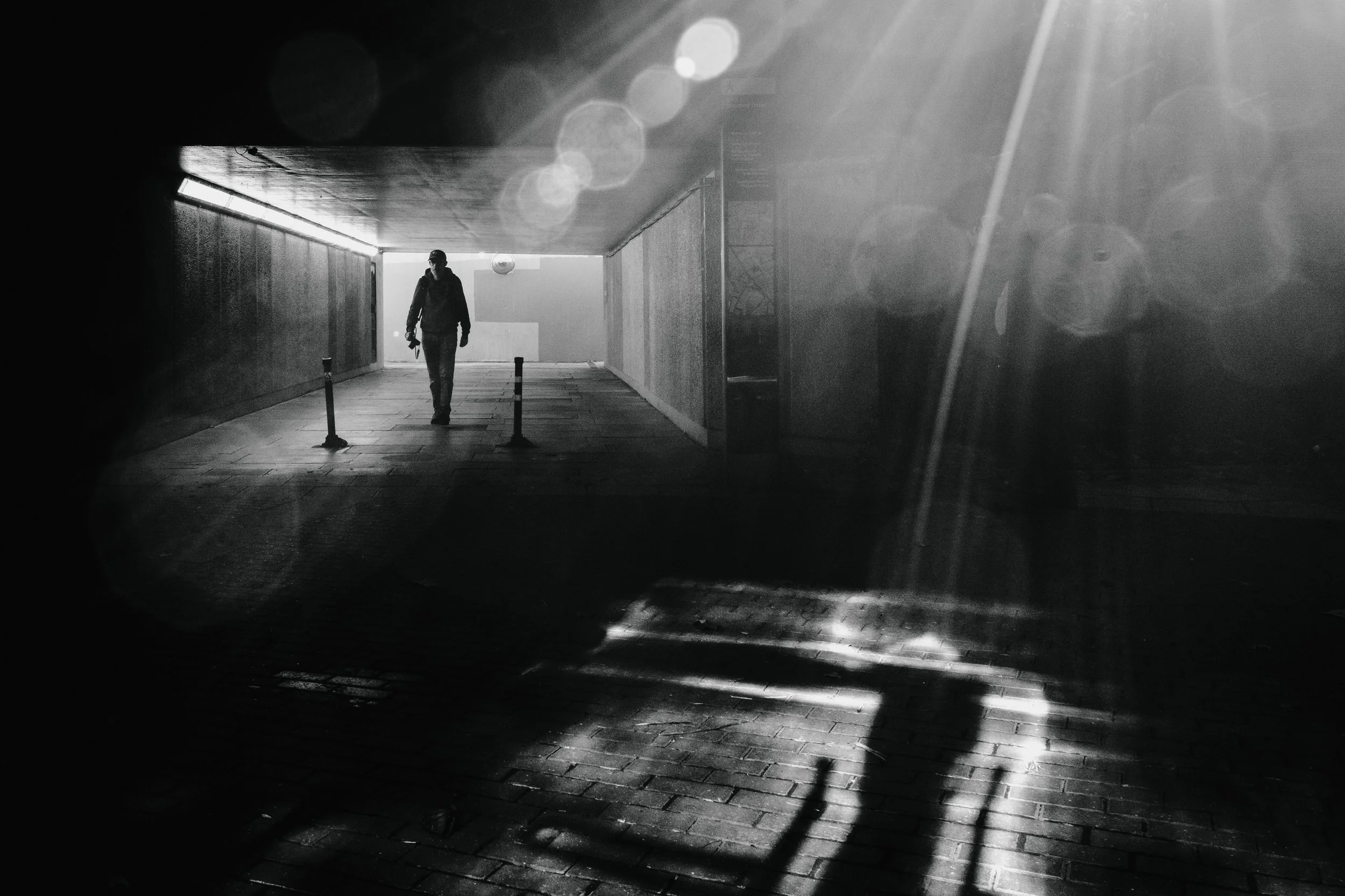
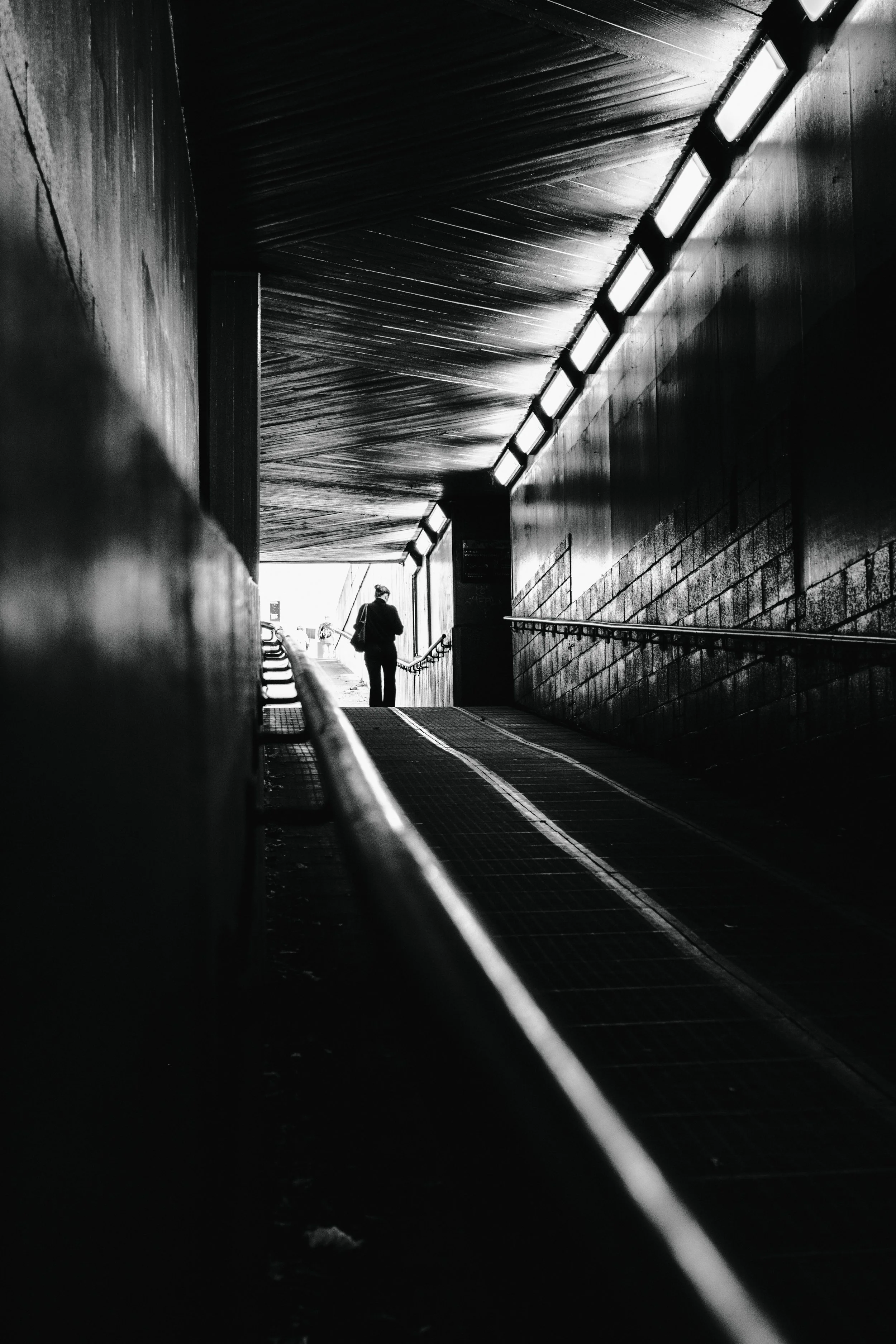
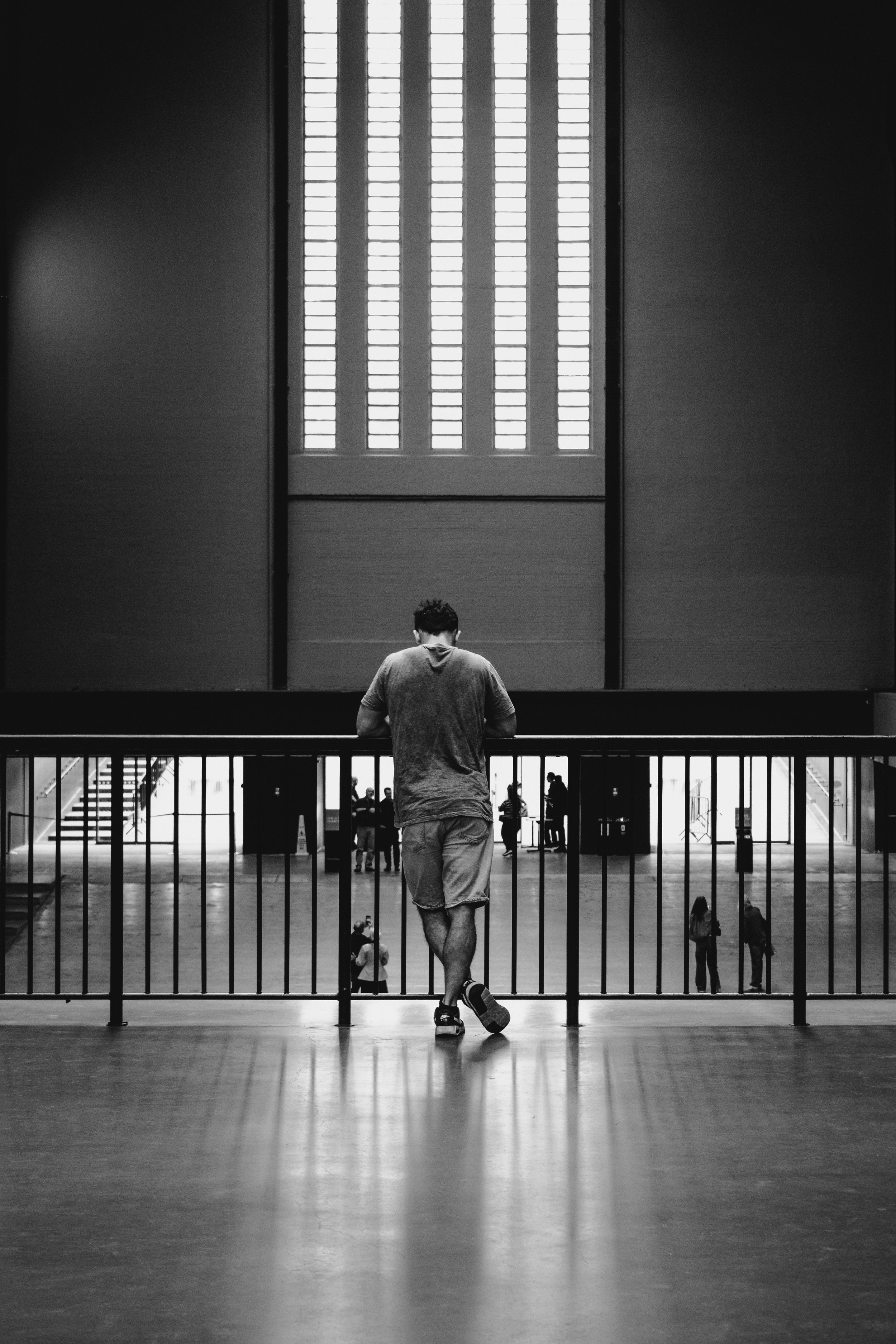
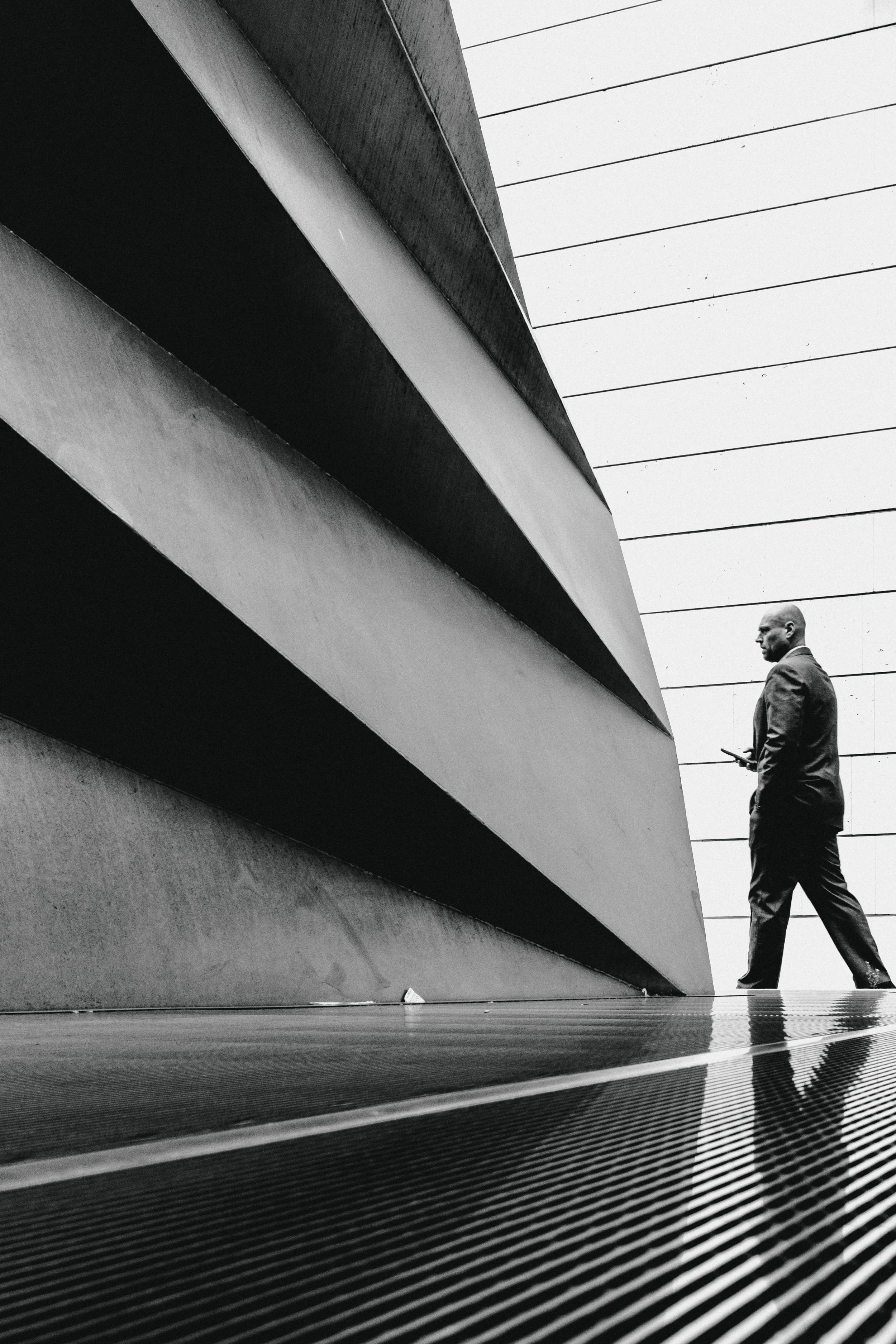
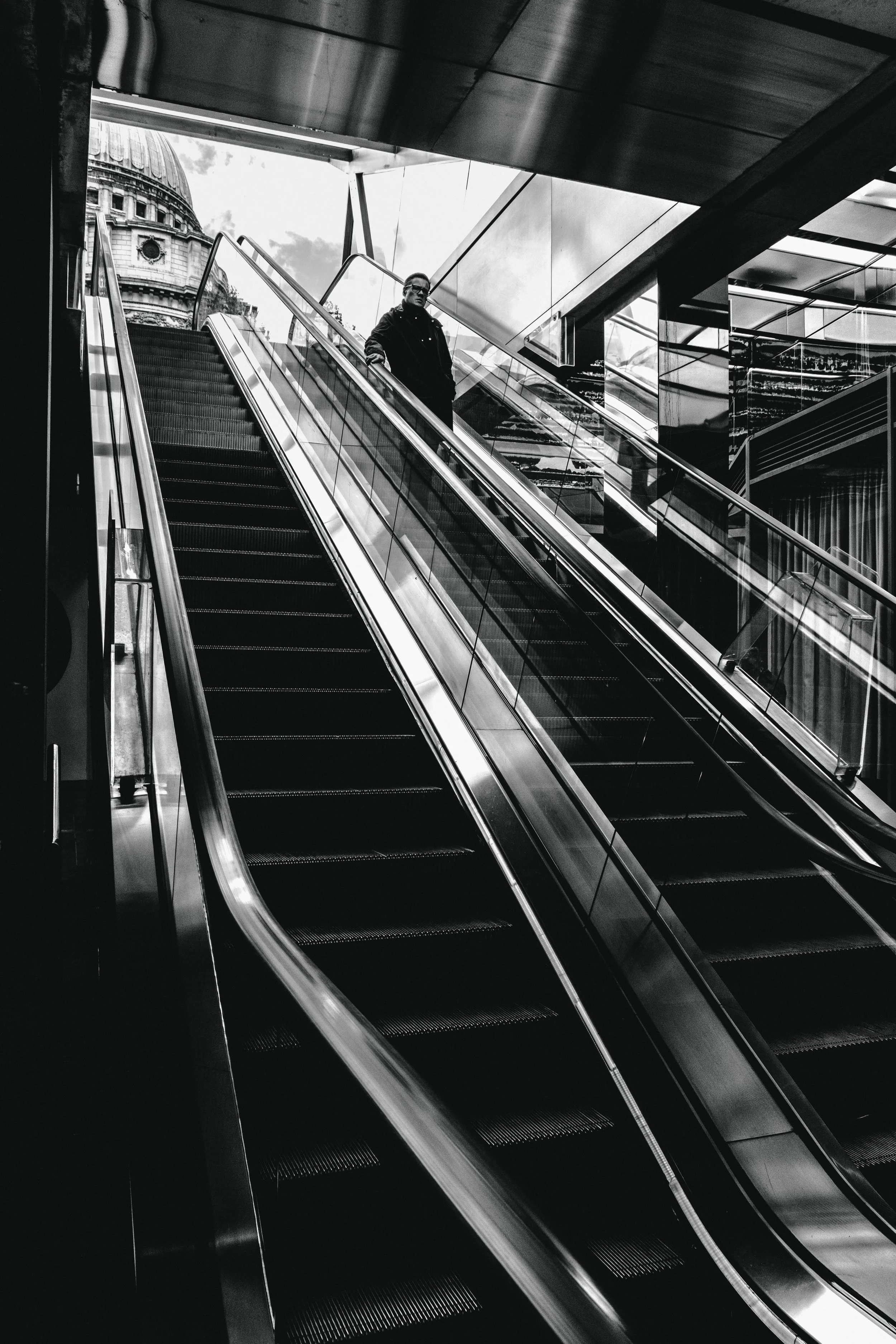
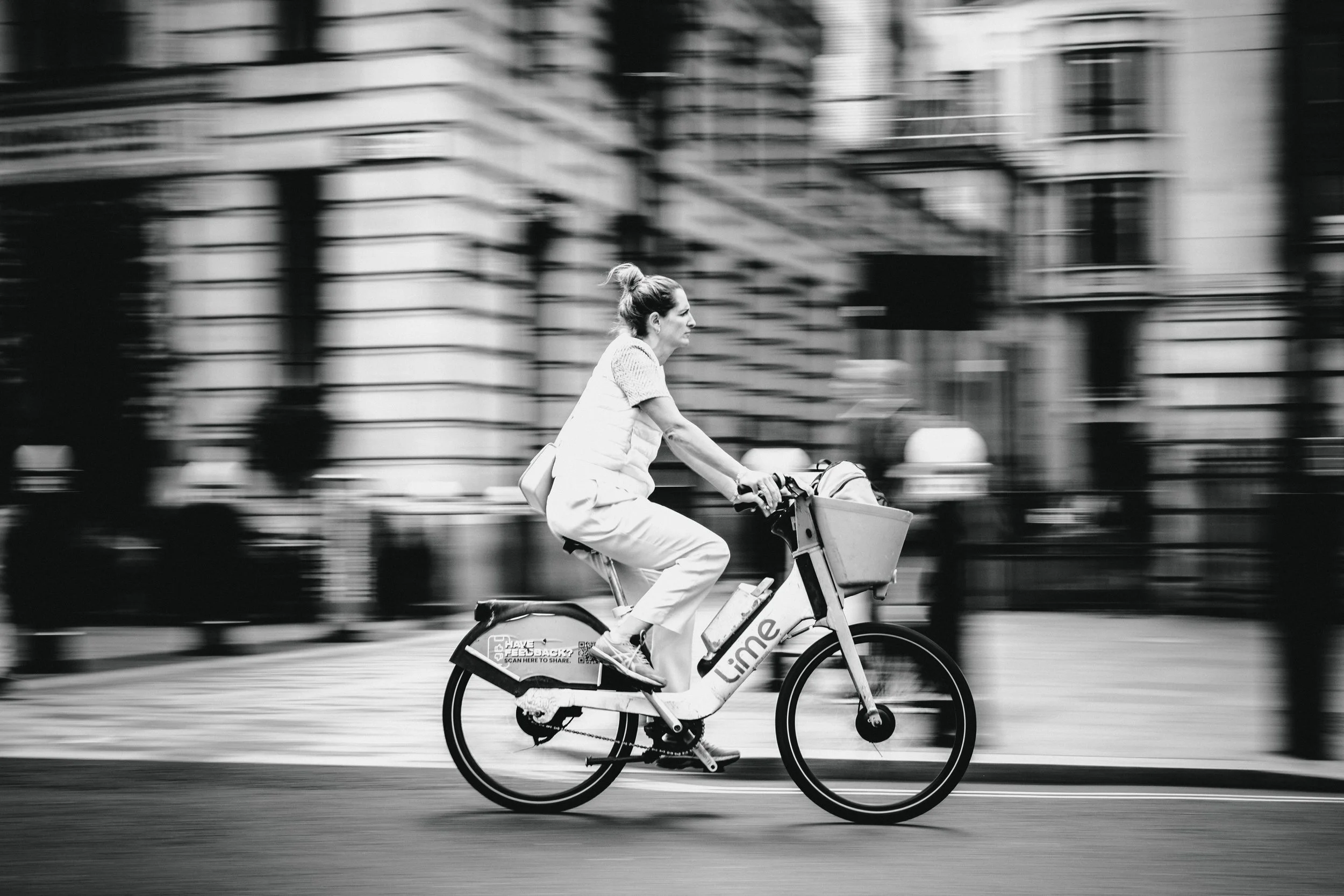
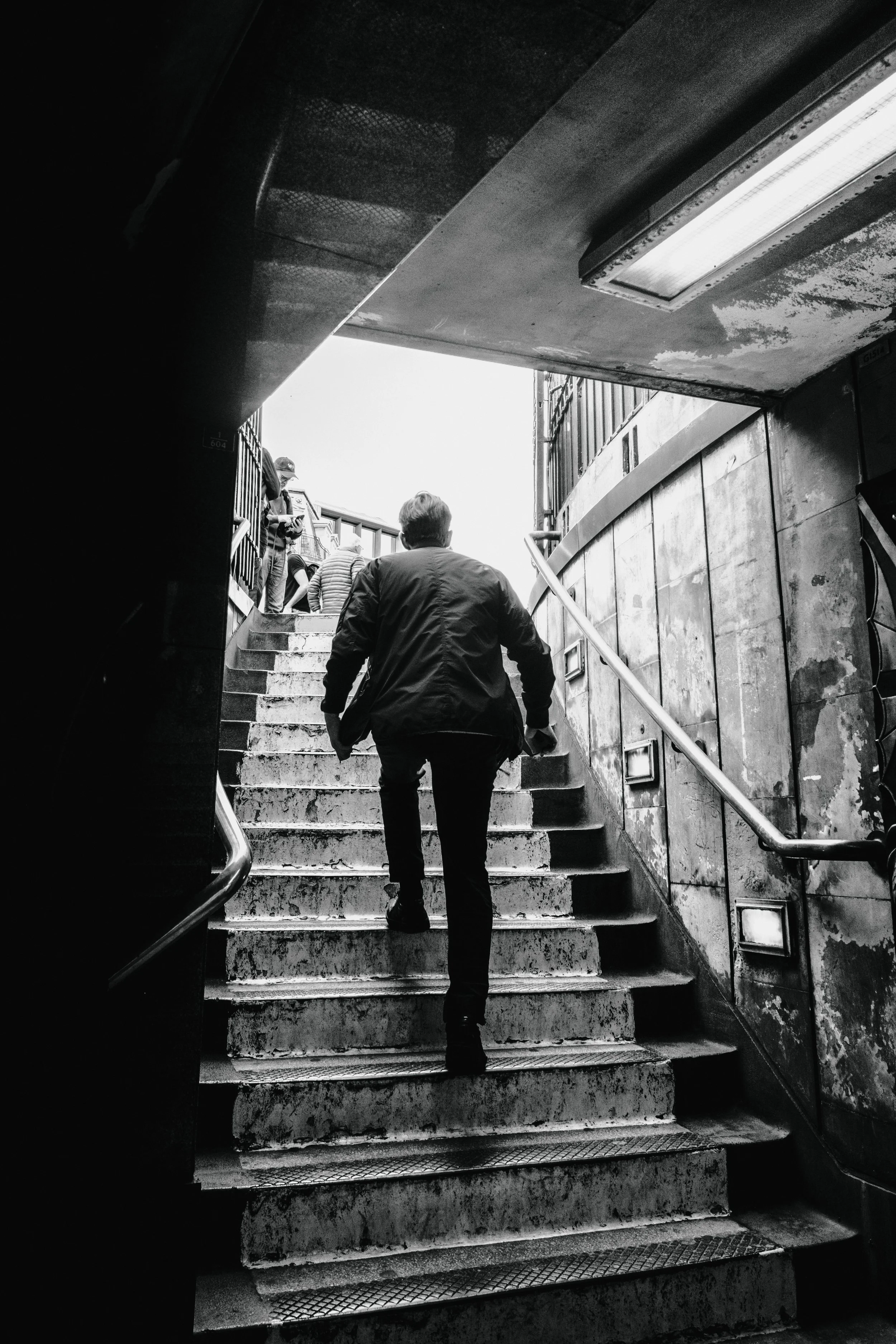
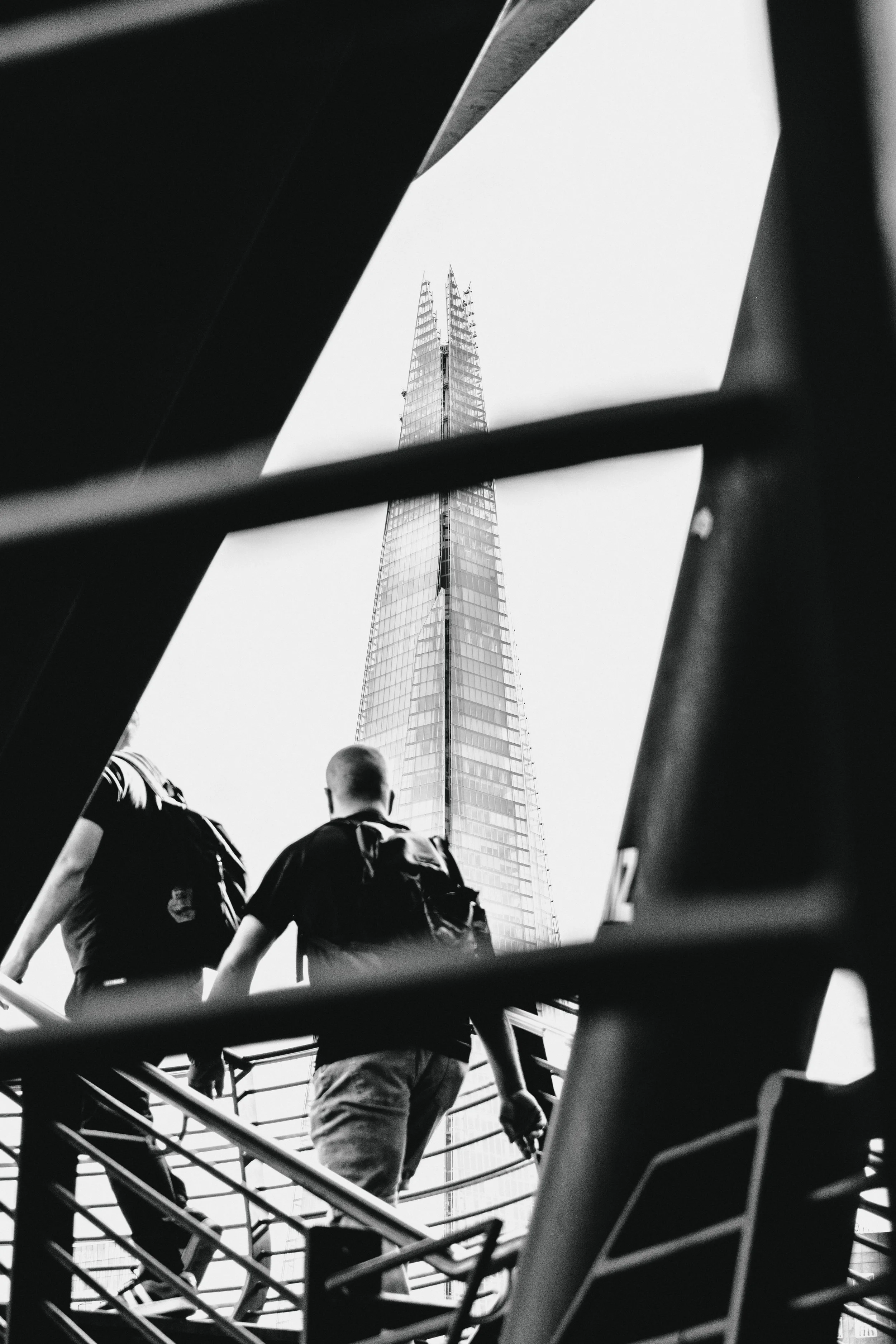
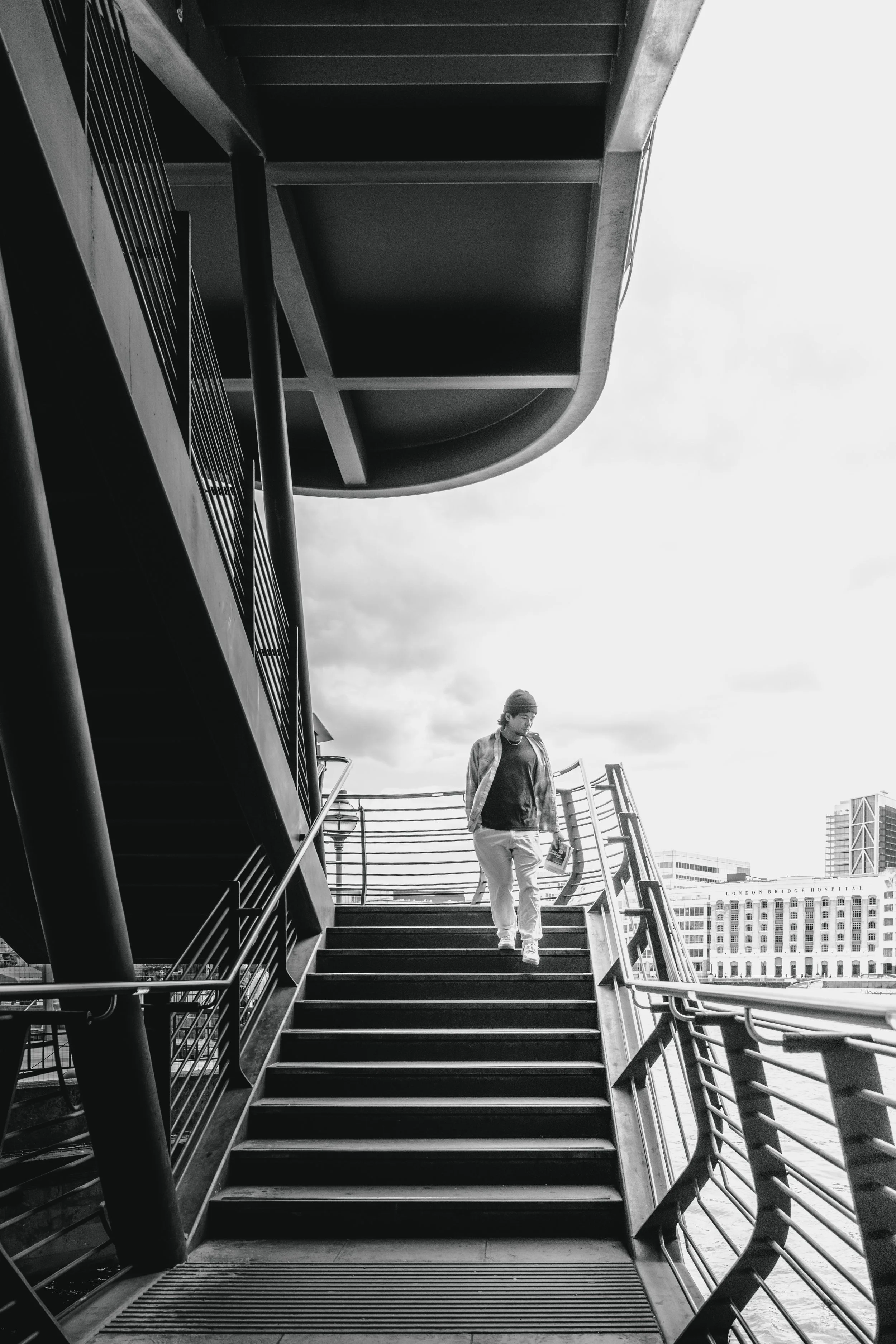
A few weeks ago, I spent the day in London on a photography workshop exploring black and white street photography.
I've never really considered myself a street photographer as most of my photography is colour and I tend to spend a lot of time taking images of architecture and buildings - so this was a deliberate attempt to do something different. For the whole day, I decided to shoot almost entirely in black and white, with the intention of putting people into the frame and looking for strong, graphic images. That might not sound like a particularly dramatic change, but for me it was quite a long way from what I normally do.
We started at Waterloo and walked along the South Bank towards Tate Modern, before crossing over towards St Paul's and then heading through Bank and eventually towards London Bridge.
They're all very familiar parts of London to me and many of them are classic street photography locations that have been photographed thousands of times. I've walked around these areas plenty of times myself, but I've never really approached them with the intention of making “street” photographs.
This time I was looking at them differently. Rather than automatically looking at the architecture and the structures around me, I was looking for people moving through those spaces, interesting interactions between light and shadow, simple shapes and moments that might work in black and white.
I also experimented with some intentional camera movement, slower shutter speeds and blur. Some of the photographs were much more minimal and graphic than the sort of images I normally make and I really enjoyed it.
Getting out of my comfort zone
One of the things I've been thinking about a lot recently is the importance of experimentation. Over the last few months I've also been thinking quite a lot about where my photography is going and what it is that I actually want my work to look like. I'm trying to work out what my photography is trying to do and what my style is, but I don't think that's something you can necessarily sit down and decide. At the moment, I'm still figuring it out. I have certain things that I know I enjoy photographing and certain ways of working that feel natural to me, but I'm also conscious that I don't want to become too fixed in that.
It's very easy to find something that works and then keep doing it. Trying something completely different gives you a chance to challenge that.
That's what this day was for me. I wasn't trying to become a street photographer in a single day. I wasn't trying to replace the work that I've been doing. I just wanted to spend a day experimenting and see what happened.
And actually, that creates its own little problem. I came away really enjoying some of what I'd done and have been asking myself whether there are parts of this that I want to bring into my own photography.
Should I be pursuing this as a new direction? Should I be broadening what I'm doing, or should I be concentrating more deeply on the style I've already been developing?
I don't have an answer to that yet - and I don't think I need one.
I think sometimes you need to give yourself permission to try something without immediately deciding what it means. You can spend a day doing something completely different, enjoy it, learn from it, and then go back to your own work and see what stays with you. Some of it probably won't, some of it might - and that's fine.
Over time, those new ideas can find their way into the way you work without necessarily changing everything else.
Seeing differently
Shooting black and white for an entire day was also a very different experience for me as until this point I have been almost exclusively a colour photographer. That's still how I naturally see things so having a black and white viewfinder in front of me all day made me think about the scenes around me in a slightly different way. I became accutely conscious of the relationship between light and dark and where people were sitting within the frame.
Colour can give you quite a lot to work with. It can connect elements of an image and sometimes make a composition feel right even when you're not being particularly precise about everything else. Black and white felt more stripped back - it made me pay more attention to what was actually happening within the frame.
I'm not particularly interested in turning that into a great revelation about black and white photography and immediately change the way i work but it gives me more tools to work with - more experiences to draw upon moving forward.
The other big change was putting people into my photographs, which I generally avoid doing - not because I have anything against photographing people, but because my natural instinct has always been to concentrate on the environment around them.
Having people in the frame also changes things. I know from other photographer’s work, that a person walking through an architectural space can give you a sense of scale or can make an otherwise empty scene feel much more connected to everyday life. Sometimes they're actually the subject, but quite often they're just part of the photograph.
This was probaby the most liberating part of my experimentation - I found myself enjoying including people into my images, giving them greater depth and meaning,
Again, I don't know exactly how much of it will make its way into my photography going forward. But it's another thing I've now tried, and I have a better understanding of what I like about it.
Perhaps the outcome here is that I don’t need to keep the rigidity of excluding people - that I should be agile - that people may or may not be part of my images, depending on what im trying to do.
Community
One of the best things about the workshop was the fact that I was doing it with other photographers.
There's something really useful about spending a whole day walking around a city with people who are all looking at the same environment but responding to it in different ways.
You see what other people notice. You talk about photographs and discuss ideas and techniques. Sometimes somebody points something out that you hadn't even considered - or maybe someone says something that you were already thinking.
Photography can be a very individual journey - with long periods of reading, learning, taking images and editing by yourself. I really enjoy this persuit - but photography communities are so useful. You get out of your normal routine, spend time with other people who are interested in photography and have the opportunity to talk about what you're doing rather than just going out and taking photographs on your own. This is definitely an area that I will keep trying to build on moving forward as I'm always going to have things I want to learn. I think that's an important part of developing as a photographer, and probably one of the reasons I enjoy photography in the first place. There's always something else to try, something else to look at, or another way of approaching something you've photographed a hundred times before.
Chris Davis
I also want to say a bit about Chris because the way he ran the workshop made a big difference to the day.
It was informal, friendly and very approachable. Chris was happy to introduce new ideas and techniques, but there was never any feeling that everyone had to go away and make the same photographs.
There was plenty of opportunity to ask questions, try things out and get feedback.
For me, that was particularly useful because I've been doing quite a lot of learning on my own. Having someone there to talk through ideas with, to validate some of the things I've been trying and to give me some genuine feedback was really valuable.
At the same time, it never felt like I was being told what my photography should be - it was much more of a conversation.
Chris was able to guide the day while still giving everyone plenty of room to experiment and find their own photographs.
I thought he was a brilliant photographer and a really good person to spend a day learning from, and I'd definitely recommend his workshops.
So, where does that leave me?
Probably with more questions than I started with - but I think that's actually a good thing.
I think that any creative practice will always be evolving - I don't think it is a process that suddenly stops because you've found a style that you're comfortable with. If anything, I think trying new things, failing, succeeding, questioning and slowly shifting your approach is essential. Change is both enevitable and necessary.
I spent a whole day doing something that was quite different from my normal photography - I shot black and white and I put people in the frame. I experimented with blur and movement. I photographed some very familiar parts of London in a way I hadn't really tried before and I came away with some photographs I really like.
I also came away with quite a lot to think about. I'm not going to immediately change direction because of one day, but I'm also not going to ignore what I discovered because it doesn't fit neatly into what I've been doing.
I'll let it sit for a while.
Then I'll go back to my own photography and see what, if anything, has changed.